
By Janett I. Cordovés, Ed.D.
Vice President for Programs and Civic Activation, Elevate Cities
Listen now
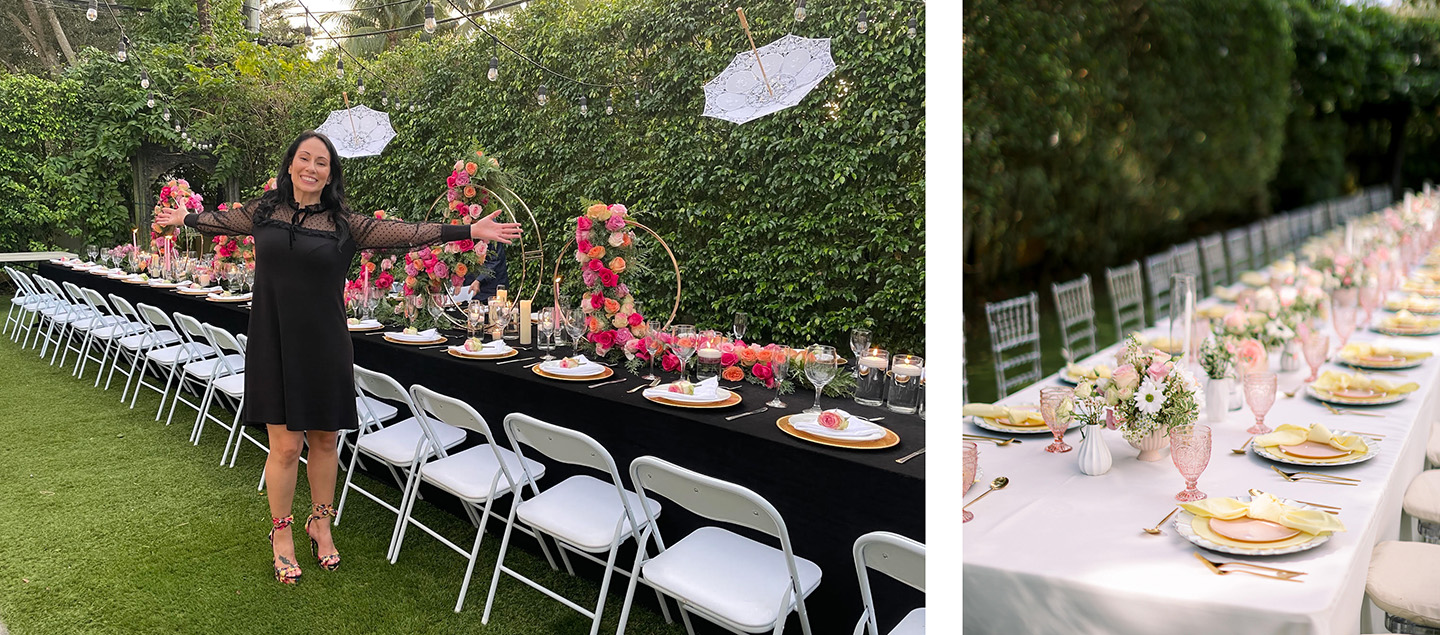
Long before I knew the language of civic joy, belonging, or pluralism, I knew what it felt like to create spaces for meaningful engagements.
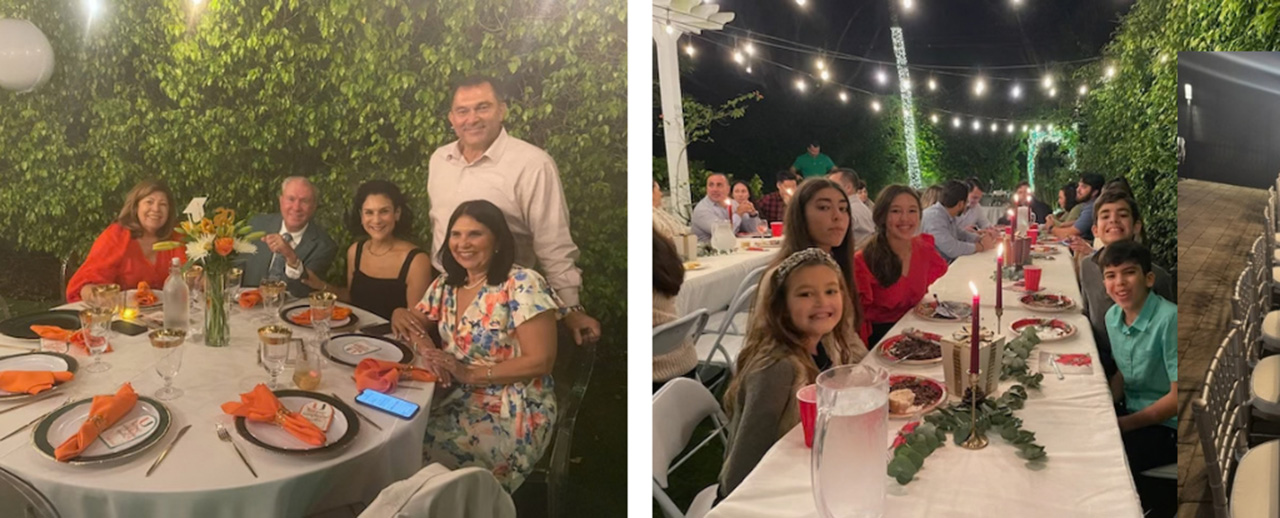
Growing up in a large Cuban family, there was always room at the table and always vibrant conversation. There were tíos and tías, family friends who became family, neighbors, unexpected guests, and people who stopped by and somehow stayed for dinner. Another chair appeared. Someone made another plate. People across generations and walks of life talked loudly, disagreed, laughed, told stories, interrupted one another, and stayed.
My mother lived her life that way, and our home reflected that generosity. We didn’t have much, but we shared what we did have and invited others in.
Around those tables, I learned that belonging did not mean we agreed on what was discussed, but that we committed to approaching each other with curiosity, again and again. People can disagree and remain in a relationship, something that seems lost in today’s culture, but food, music, storytelling, faith, celebration, laughter, and spirited debate can and did create the conditions for people, friends, and family to see the complex and layered realities of us all and recognize the humanity between and among us.
Most importantly, I learned that community does not simply happen; it is shaped and sustained through genuine intention. Someone has to make room. Someone has to provide the space, the smile, the invitation, the questions, and the ease that bring people together.
That lesson has become a throughline across more than two decades of my professional life in higher education, nonprofits, philanthropy, faith communities, and civic organizations. Today, it sits beneath a question that increasingly drives my work:
How can moments of joy, belonging, and connection become catalysts for people to participate, build together, and strengthen the places they call home?
And beneath that question is another significant one: What happens after?
From Making Room to Building Across Difference
Prior to my professional career, higher education captivated me as a vibrant laboratory of diversity, where I had the opportunity to build a community beyond my family’s influence. As a first-generation college student majoring in applied mathematics, I also joined a sorority, engaged with the Newman Center for my spiritual practice, served as a resident assistant, and actively made my campus feel like my own space. College allowed me, and allows people today with remarkably different histories, beliefs, and identities, at a time when we are still curious about the world, to learn and live alongside one another.
But proximity alone does not create understanding. Proximity is one thing; engagement is another. People need opportunities to encounter one another, and it’s a choice. People need environments where curiosity is rewarded, disagreement is possible, and difference does not automatically become division, and it’s easy to get to.
This personal experience brought me to Interfaith America, where I spent years helping colleges and universities engage religious, spiritual, and secular diversity as an asset. I developed educational programs, training experiences, and resources that enabled educators and institutions nationwide to create opportunities for learning and collaboration across differences in worldview, ideology, politics, and religion.
I am interested in the space between experience and impact, between what someone feels in a moment and what they do differently afterward, and how that impacts the culture in their city. How are we, and our cities, changed by what we experience and come to hold dear? The answer could be everything.
What If Joy Is Part of the Answer?
Today, as Vice President for Programs and Civic Activation at Elevate Cities, I continue to carry this curiosity forward into our mission: At Elevate Cities, we spark joy, belonging, and civic pride through experiences that invite people to participate in their city’s story.
That can mean musicians creating songs inspired by their community. Residents writing love poems to their city. Strangers sitting together at a long table. A scavenger hunt introducing people to local organizations and pushing us to reimagine what is possible. Young and old discovering that they don’t need permission to contribute.
These experiences are joyful and celebratory. But they are not frivolous. They can be front doors into civic life.
And what have I learned so far? Our differences are actually worth celebrating, as they are all one piece of a larger, shared civic tapestry.
That helps illuminate something I have observed throughout my career: people need opportunities not only to discuss what is broken, something we already do in abundance, but, more so, to experience what is worth caring for, and that is where I believe joy plays an important role. Joy can be the invitation. Belonging can give someone a reason to stay. Civic pride can give them something they want to contribute to.
And then comes the real question: What happens next?
From Sparks to Systems
At Elevate Cities, we think about moving from sparks to systems change.
We believe a spark of joy can create connection; connection can deepen belonging; belonging can strengthen civic pride; and civic pride can yield greater agency, participation, and collaboration. The spark might be a song, a dinner, an artist, an award, a story, or a moment when someone discovers something extraordinary about the place they call home.
But the activation cannot be the entire plan. My experience has taught me that we cannot measure success only by attendance or by how people felt while they were there. We have to understand the ripples.
As we build across cities, we are listening to residents, artists, young people, nonprofit partners, civic leaders, and participants. We are intentionally studying what creates meaningful connection, what leads to repeated engagement, what can translate across communities, and what must remain deeply local.
Scaling does not mean reproducing the same experience everywhere. It means understanding the conditions that make connection possible, helping those conditions take root in ways authentic to each place, and creating opportunities for many more people to contribute.
The Table Keeps Getting Bigger
I have lived in more than seven U.S. cities, and every time I arrived in a new place, I had to create a sense of belonging for myself. I found my coffee shop. My gym. My faith community. My people. The places where I became a regular instead of a visitor.
That takes time and intentionality, and many people do not prioritize it, so they never find their way in. Yet whether someone lives somewhere for one year, four years, ten years, or a lifetime, there are countless ways to contribute.
Our cities need more front doors to civic life. People need tangible ways to contribute from the moment they arrive in a city. Sometimes that door is service. Sometimes it is art, music, storytelling, or play. Sometimes it is an unexpected conversation.
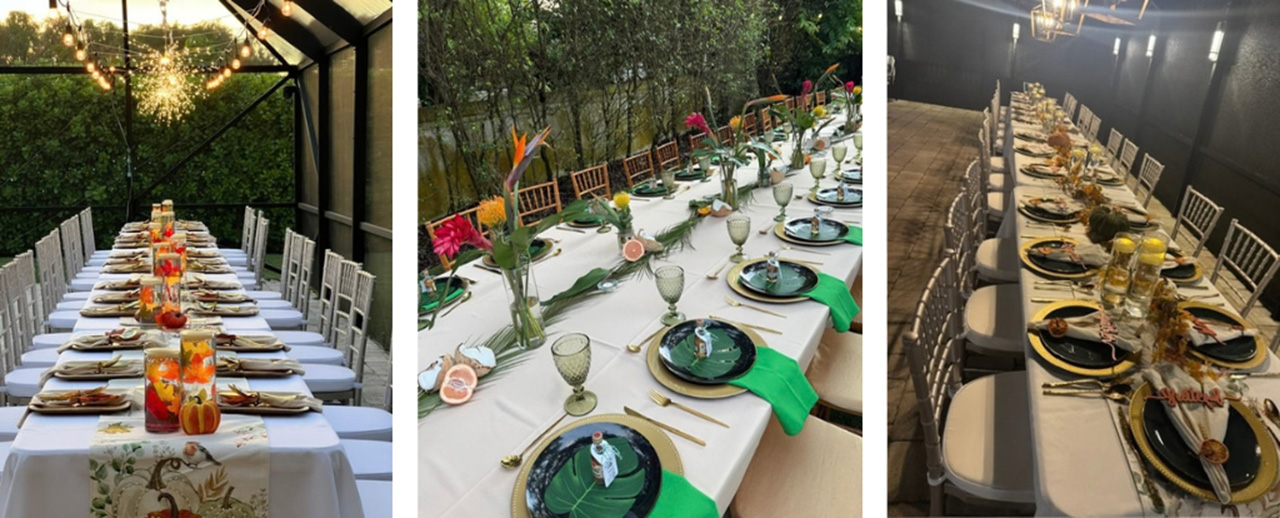
And sometimes it is simply a table. The instinct behind the work remains what I learned at home.
Make room. Pull up another chair. Make a little more. Invite someone who wasn’t there before. Give people something meaningful to experience together.
Then pay attention to what happens next. One thing that could be telling, a marker of strong activation, is that at the end someone says they’ll host the next one.
Because the question is not simply whether we can bring people together. It is whether moments of joy, belonging, and connection can become something that lasts: greater agency, deeper participation, stronger relationships, and people who see themselves not merely as residents of a place, but as builders of its future.